



Finding the Perfect Pet-Friendly Room for You and Your Companion
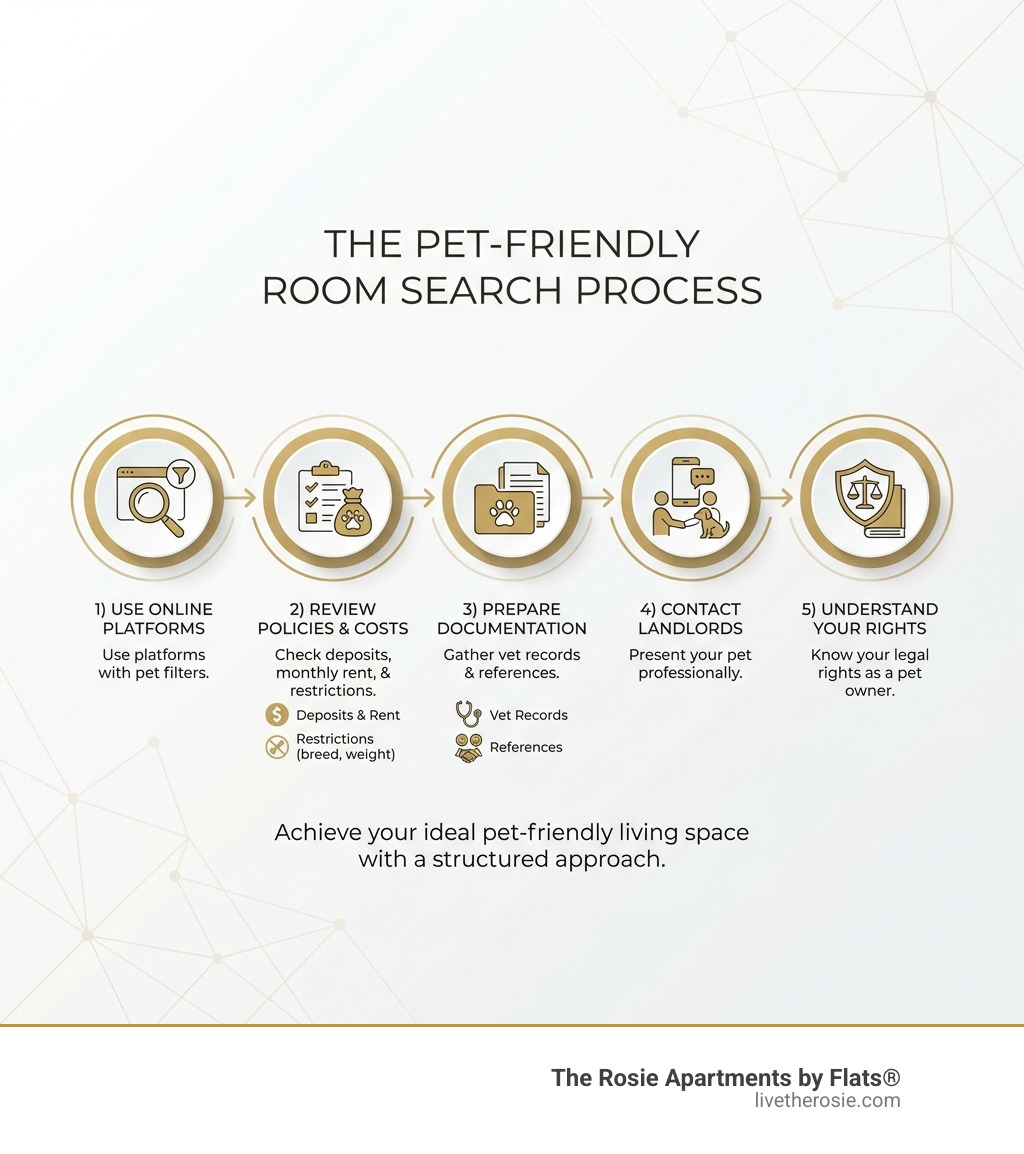
Rooms for rent pet friendly near me are available through multiple channels and platforms. Here's how to find them:
Top Ways to Find Pet-Friendly Rooms:
- Online rental platforms with pet-friendly filters (Zillow, Apartments.com, Rent.com)
- Specialized roommate sites that allow pet searches (Roommates.com, SpareRoom)
- Local classifieds like Craigslist with "pets allowed" listings
- Social media groups for housing in your area
- Property management companies with established pet policies
- Word-of-mouth through friends, coworkers, and local networks
What to Expect:
- Pet deposits typically range from $250-$500
- Monthly pet rent is commonly around $50 per pet
- Most properties allow up to two pets
- Weight restrictions (often 35-50 lbs) may apply
- Breed considerations are common
- Vaccination records are usually required
Finding a place that welcomes both you and your pet takes some extra effort, but it's absolutely achievable. The rental market has evolved significantly, with more landlords and property managers recognizing that responsible pet ownership doesn't mean property damage or disruption.
According to industry data, there are thousands of pet-friendly listings available across major cities at any given time. The key is knowing where to look and how to present yourself and your pet as ideal tenants.
The search process requires understanding pet policies, associated costs, and your rights as a renter. It also means knowing how to make a strong impression on landlords who might be hesitant about pets.
This guide walks you through every step of finding and securing a pet-friendly room, from initial search strategies to move-in day.
The Perks of Pet-Friendly Living
Bringing beloved pets into a home enriches life in countless ways. Securing a pet-friendly room is not just about finding a living space; it is choosing a lifestyle that accepts the joy and companionship animal friends provide. The benefits of living with a pet extend far beyond mere presence, impacting mental, physical, and social well-being.
One of the most significant advantages is the constant companionship pets offer. Whether it's a cat purring on a lap after a long day or a dog eagerly greeting its owner at the door, their unconditional affection can alleviate feelings of loneliness and provide a sense of stability. This companionship is a powerful antidote to stress, contributing positively to mental wellness. Studies consistently show that interacting with pets can lower blood pressure, reduce anxiety, and even improve mood. The simple act of petting an animal can trigger the release of oxytocin, a hormone associated with bonding and well-being.
Pets often encourage a more active lifestyle. Dogs, in particular, require regular walks and playtime, prompting their owners to get outdoors and engage in physical activity. This can lead to improved cardiovascular health, increased energy levels, and better sleep. Even indoor cats benefit from interactive play, which keeps their owners moving and engaged. Pet-friendly apartments in Chicago often provide ample opportunities for exercise, from nearby parks to dedicated dog runs. For more on this, explore a guide to Dog Friendly Apartments Chicago.
Beyond individual benefits, pets can also foster social connections. Pet owners often connect with each other in parks, pet stores, or even within their apartment communities. A friendly dog can be a natural conversation starter, helping people meet new people and build a support network in their neighborhood. Many pet-friendly buildings also host events for residents and their furry companions, creating a strong sense of community.
The decision to seek out rooms for rent pet friendly near me is a testament to the value placed on these relationships. It means prioritizing a living situation where pets are not just tolerated but genuinely welcomed, allowing for the full experience of the rich, rewarding life that comes with having them by one's side.

Your Search for Rooms for Rent Pet Friendly Near Me: Where to Look
Finding the perfect pet-friendly room requires a strategic approach. The market for pet-friendly rentals is growing, and with the right resources, it is possible to locate a home that accommodates both renters and their animal companions. Chicago offers a variety of options, but knowing where to focus the search can save considerable time and effort.
Using Specialized Rental Websites
Online rental platforms are often the first stop for many renters, and for good reason. These sites offer extensive databases of listings and, crucially, sophisticated search filters that can narrow down options to include only pet-friendly properties. Websites like Zillow, Apartments.com, and Rent.com allow users to specify "pet-friendly" or "pets allowed" in their search criteria. Some platforms even let users filter by specific pet types (cats or dogs) or indicate the number and size of pets.
Beyond general rental sites, specialized roommate platforms such as Roommates.com or SpareRoom often have options for filtering by pet preference. These can be particularly useful when searching for a room within a shared living situation, where the current tenants might already have pets or be open to a new furry housemate. Search alerts can be set up on these platforms to be notified immediately when new pet-friendly listings become available in desired Chicago neighborhoods. To help with the search, explore how to find pet-friendly rooms in Chicago and see a comprehensive guide to Chicago pet-friendly rentals.
Exploring Local Classifieds and Communities
While online aggregators are powerful, local classifieds and community resources should not be overlooked. Websites like Craigslist, when used carefully, can still be a source for direct-from-landlord listings that might not appear on larger platforms. Caution should always be exercised to verify information when using classifieds, but they can sometimes uncover hidden gems.
Community boards, both physical and virtual, within Chicago neighborhoods can also be valuable. Local Facebook groups dedicated to housing or pet owners in Chicago often feature posts from individuals looking for roommates or landlords advertising available rooms. These platforms allow for direct interaction and can provide insights into the pet-friendliness of specific areas or buildings. For example, some property management companies or apartment complexes in Chicago proudly advertise their pet-friendly policies directly. Find more about pet-friendly apartment complexes here and discover rooms where pets are allowed in your vicinity.
Leveraging Your Network
Sometimes, the best leads come from known contacts. Spreading the word among friends, family, coworkers, and even a veterinarian can open doors to opportunities that might not be found elsewhere. Word-of-mouth referrals can lead to private landlords who are more flexible with pet policies or know of upcoming vacancies.
Social media inquiries within personal networks or local Chicago community groups can also be effective. Someone a renter knows might be moving out of a pet-friendly place or know a landlord who welcomes animals. Additionally, local real estate professionals who specialize in rentals in Chicago can be an excellent resource. They often have insider knowledge of pet-friendly buildings and can help renters navigate the market. For those with canine companions, finding dog friendly rentals in your area is crucial. By combining these strategies, the chances of finding the perfect pet-friendly room increase significantly.
Key Factors to Consider in Your Search
When searching for rooms for rent pet friendly near me, it's not just about finding a space that allows pets; it's about finding a home that truly suits the needs of both the renter and their animal companions. Several crucial factors should weigh into the decision-making process, ensuring a harmonious living environment for everyone.
Evaluating the Neighborhood for Your Pet
The immediate surroundings of a potential new home are just as important as the room itself, especially for pet owners. For dog owners, walkability is paramount. Renters should look for neighborhoods in Chicago that offer well-maintained sidewalks and plenty of green spaces for daily strolls. The presence of dog parks is a huge bonus, providing a dedicated area for furry friends to exercise and socialize off-leash. Chicago boasts numerous parks and dog-friendly areas, making it a great city for pet owners. A comprehensive guide to Chicago apartments with dog runs can help identify prime locations.
Beyond exercise areas, the availability of pet-friendly businesses, such as cafes or shops that welcome animals, should also be considered, as this contributes to a more integrated pet-friendly lifestyle. Proximity to veterinary services and reputable groomers is also a practical consideration for a pet's health and well-being. Neighborhoods like Pilsen, where The Rosie Apartments are located, strive to offer a vibrant, pet-friendly atmosphere. Explore the benefits of pet-friendly living in Pilsen.

What to look for in rooms for rent pet friendly near me
Once the neighborhood has been assessed, the actual living space needs to be scrutinized. A pet's comfort and safety are key. A renter should consider the pet's space requirements – a larger dog will need more room to move around comfortably than a small cat. Flooring type can also be an important factor; hard surfaces like laminate or tile are often easier to clean than carpet in case of accidents, though many modern pet-friendly apartments feature durable, pet-resistant carpeting.
Outdoor access is another critical point. If a room is in a building with shared outdoor spaces, a renter should understand the rules for pet use. If a room includes a private balcony or patio, it needs to be secure for the pet. For cats, window perches can provide mental stimulation and a view of the outside world. Renters should also familiarize themselves with the building's overall pet rules, including designated pet relief areas, leash policies in common spaces, and noise considerations. Understanding these details upfront can prevent misunderstandings and ensure a smooth tenancy. For more insights, refer to information on apartments that take dogs.
Understanding Pet Policies and Costs
Navigating pet-friendly rentals means understanding the intricate details of pet policies and the associated costs. It’s crucial for renters to be well-informed about what to expect in rental agreements, what fees might be incurred, and what their rights are as pet owners. This knowledge empowers renters to make informed decisions and avoid unwelcome surprises.
Decoding Common Pet Policies
Most properties that welcome pets will have a specific pet addendum to the standard rental agreement. These policies often outline important details such as the number of pets allowed, typically limited to two per household. The policy at The Rosie Apartments is to welcome up to two pets, while other properties may have specific weight limits, often around 35-50 lbs per pet.
Breed considerations are also common. It's important for renters to be aware that some properties may have restrictions. Regardless of breed, current vaccinations are almost always a requirement, ensuring the health and safety of all residents. Additionally, some agreements might request proof of spay/neuter. Understanding these specifics upfront is essential. For a deeper dive into pet policies, the Ultimate Pet Friendly Apartment Guide is an invaluable resource. There is also specific guidance for Pet Friendly Condos Chicago.
Budgeting for Your Pet-Friendly Room
Beyond the monthly rent for a room, there are several pet-related costs renters should budget for when looking for rooms for rent pet friendly near me. These typically include:
- Pet Deposits: This is a one-time, refundable fee paid at the beginning of the tenancy. It acts as security against any potential damage caused by a pet. As indicated in the introduction, pet deposits typically range from $250-$500.
- Pet Fees: This is often a one-time, non-refundable fee. It's usually intended to cover the general wear and tear that pets might contribute to a property, or for administrative costs associated with pet ownership.
- Monthly Pet Rent: This is a recurring fee added to the regular monthly rent. It's common for monthly pet rent to be around $50 per pet, as mentioned earlier. This covers the ongoing privilege of having a pet on the premises.
Here's a comparison of these costs:
| Type of Pet Cost | Nature | Typical Range (as per intro) | Purpose |
|---|---|---|---|
| Pet Deposit | Refundable | $250-$500 | Covers potential pet-related damages |
| Pet Fee | Non-refundable | Varies | General wear & tear, administrative |
| Monthly Pet Rent | Recurring | ~$50 per pet | Ongoing permission to house pet |
It's important to clarify whether a pet deposit is truly refundable, and what conditions apply for its return. Always obtain clear documentation for all fees paid.
Knowing Your Rights as a Renter with a Pet
Pet owners also have certain rights, especially concerning assistance animals. The Fair Housing Act (FHA) mandates that landlords must make reasonable accommodations for individuals with disabilities who require an assistance animal, which includes both service animals and emotional support animals (ESAs). These animals are not legally considered "pets" and therefore are exempt from pet policies, breed restrictions, and pet-related fees.
To qualify for an assistance animal accommodation, a renter typically needs a letter from a licensed healthcare professional verifying their disability and the animal's role in mitigating symptoms. Landlords cannot deny housing or charge pet fees for assistance animals, provided the accommodation is reasonable and does not pose an undue burden or direct threat. It's crucial for renters to understand local ordinances in Chicago as well, as some municipalities may have additional protections or guidelines for pet owners. Being informed about these legal aspects helps renters advocate for themselves and their animal companions. For comprehensive information, refer to this guide on Chicago Pet Friendly policies.
Making a Pawsitive Impression
Securing rooms for rent pet friendly near me often comes down to how a renter and their pet are presented to a prospective landlord or property manager. A thoughtful and proactive approach can significantly increase the chances of approval, changing a potential "no" into a confident "yes." Landlords are looking for responsible tenants, and demonstrating responsible pet ownership can make all the difference.
Tips for securing rooms for rent pet friendly near me
To stand out in the application process, creating a "pet resume" is recommended. This document can highlight a pet's best qualities and demonstrate a commitment to their well-being and good behavior. A pet resume typically includes:
- Basic Information: Pet's name, breed, age, and a friendly photo.
- Health Records: Proof of current vaccinations, spay/neuter certificate, and flea/tick prevention.
- Training and Temperament: Mention any obedience training, house-training, and describe the pet's typical demeanor (e.g., quiet, friendly, enjoys lounging).
- References: Include contact information for previous landlords (if applicable), veterinarians, or even dog walkers who can vouch for the pet's good behavior and the owner's responsible ownership.
- Pet Care Plan: Briefly outline how the pet is well-cared for, including daily exercise routines, feeding schedules, and how their time is managed when the owner is away.
When meeting with a landlord, offering to introduce the pet in a controlled setting can be very impactful. A well-behaved, calm pet can quickly alleviate any concerns. If the pet is shy, a video showcasing their personality in a comfortable environment might be a better option. To further refine an application, renters can consult a guide on Pet Friendly Apartments Chicago and get the ultimate guide for pet-friendly apartments in Chicago.
Ensuring a Smooth Move-In for Your Pet
Once a pet-friendly room is secured, the next step is to ensure a smooth transition for the animal companion. Moving can be stressful for pets, so proactive steps are essential to help them adjust to their new environment.
- Gradual Introduction: If possible, let the pet explore the new room before fully moving in. Start with short visits to familiarize them with the smells and sounds.
- Create a Designated Space: Set up a designated area for the pet with their bed, toys, food, and water bowls. This familiar space will provide comfort and security during the adjustment period.
- Maintain Routine: Stick to the pet's regular feeding, walking, and playtime schedules as much as possible. Consistency helps reduce anxiety and provides a sense of normalcy.
- Pet-Proof the Room: Before the pet arrives, check the room for any potential hazards. Secure loose cords, block off dangerous areas, and remove any toxic plants or small items they might ingest.
- Update Microchip Information: Ensure the pet's microchip is updated with the new address and contact information. This is a critical step in case they get lost during the move or while exploring the new neighborhood.
By taking these steps, renters not only ensure their pet's comfort but also demonstrate a commitment to being responsible pet owners, which is always appreciated by landlords and neighbors. For more detailed advice on settling in, refer to a comprehensive guide on pet-friendly rooms for rent.
Frequently Asked Questions about Finding Pet-Friendly Rooms
Navigating the rental market with a pet can bring up a lot of questions. Here, some of the most common inquiries are addressed to help clarify policies and rights.
What's the difference between "pet-friendly" and "pets considered"?
The terms "pet-friendly" and "pets considered" might sound similar, but they carry distinct implications for renters. "Pet-friendly" generally means that the property or landlord has established policies in place for pets and actively welcomes them. These properties usually have clear pet addendums, outlining deposits, fees, and rules. It indicates a landlord who is typically experienced with pet owners and has designed their property or community to accommodate animals.
On the other hand, "pets considered" suggests a more cautious approach. It means the landlord or property manager will evaluate pet ownership on a case-by-case basis. They might not have a standard pet policy and will want to assess a specific pet's temperament, size, and breed before making a decision. This often requires a more thorough presentation from the renter, including a pet resume and potentially a "pet interview." While "pets considered" offers a glimmer of hope, it requires more effort and may still result in a denial, whereas "pet-friendly" properties are generally a more straightforward path.
Can a landlord charge a non-refundable pet fee?
Whether a landlord can charge a non-refundable pet fee depends heavily on state and local laws. In many jurisdictions, landlords are permitted to charge a one-time, non-refundable pet fee. This fee is typically intended to cover the general wear and tear associated with having a pet on the premises, rather than specific damages.
However, some areas may have stricter regulations, only allowing refundable security deposits that cover pet-related damages. It's crucial for renters to research Chicago's specific tenant-landlord laws regarding pet fees to understand their rights and obligations. Always ask for clarification on whether a fee is refundable or non-refundable and ensure it is clearly stated in the lease agreement.
What are assistance animals and how do they relate to pet policies?
Assistance animals are animals that work, provide assistance, or perform tasks for the benefit of a person with a disability, or provide emotional support that alleviates one or more identified symptoms or effects of a person's disability. They are broadly categorized into service animals (e.g., guide dogs for the visually impaired) and emotional support animals (ESAs).
A critical distinction is that assistance animals are not legally considered "pets" under the Fair Housing Act (FHA). This means that landlords cannot apply standard pet policies, such as breed restrictions, weight limits, or pet-related fees (deposits, monthly pet rent) to assistance animals. Landlords are required to make reasonable accommodations for individuals with disabilities who require an assistance animal, provided the accommodation does not impose an undue financial or administrative burden or fundamentally alter the nature of the housing provider's services. To request an accommodation, a renter typically needs to provide documentation from a licensed healthcare professional verifying their disability and the animal's role in mitigating its symptoms. Understanding this distinction is vital for protecting a tenant's rights when they have an assistance animal.
Conclusion
Finding rooms for rent pet friendly near me can seem like a daunting task, but with the right research, preparation, and presentation, it is an entirely achievable goal. The myriad benefits of living with animal companions have been explored, from companionship and mental wellness to an active lifestyle and social connections. Effective strategies for the search have also been outlined, from leveraging online platforms and local classifieds to tapping into personal networks.
Considering key factors like neighborhood amenities, pet-friendly building features, and understanding the nuances of pet policies and associated costs will set renters up for success. Moreover, knowing the rights of pet owners, especially concerning assistance animals, is empowering in the rental process. By making a "pawsitive" impression with a well-crafted pet resume and ensuring a smooth move-in for furry friends, a home where everyone feels welcome and comfortable can be secured.
At The Rosie Apartments by Flats®, the importance of pet-friendly living is understood. Located in Chicago's vibrant Pilsen neighborhood, these luxury apartments accept both urban convenience and the joy of having beloved pets by one's side. The commitment to creating a welcoming environment means providing pet-friendly amenities and policies designed to make life easier and more enjoyable for both two-legged and four-legged residents.
Finding a home that accommodates pets shouldn't be a compromise. With this guide, the hope is to empower renters in their search, ensuring that the next living space is a perfect fit for them and their cherished animal companion. Explore Pet-Friendly Apartment Rentals in Chicago and find how The Rosie Apartments can offer the ideal pet-friendly luxury living you seek.


